Are Mobile Homes a Good Investment in 2025?
The real estate market is evolving, and many investors are looking beyond traditional houses and condos. One question has gained momentum in recent years: Are mobile homes a good investment?
As housing prices rise and affordable options shrink, mobile and manufactured homes are becoming attractive alternatives. Yet, like any investment, they come with both opportunities and risks. Let’s explore everything you need to know before deciding if this is the right path for you.
Understanding What Mobile Homes Really Are
Before diving into profitability, it’s important to understand what we mean by a mobile home.
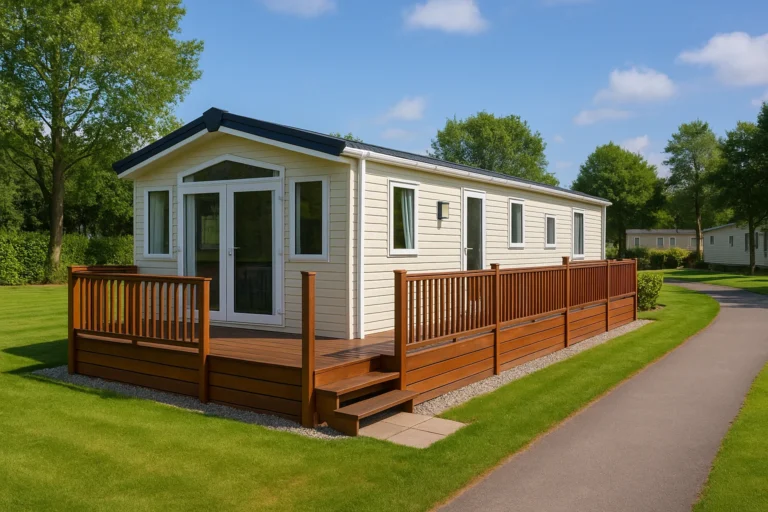
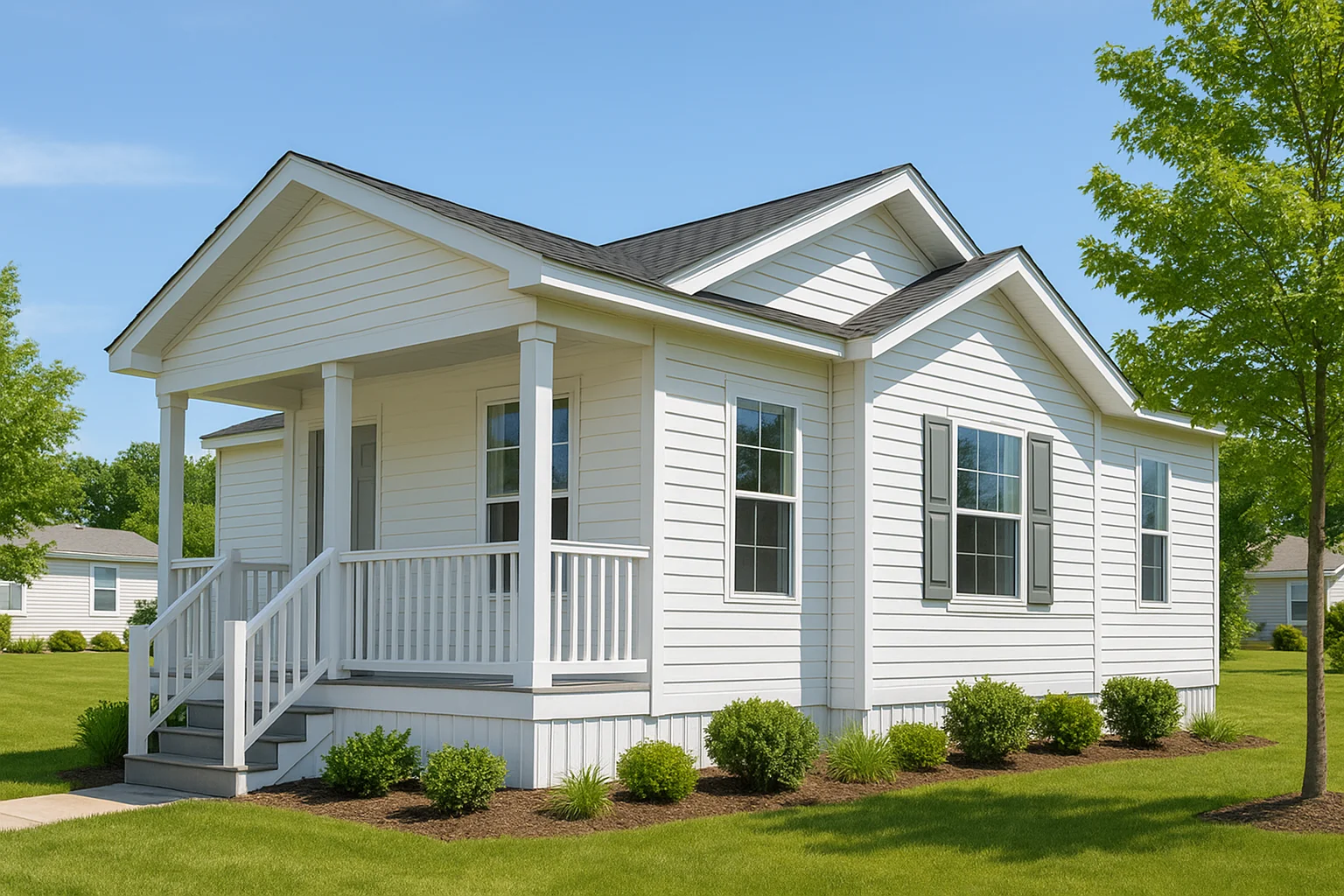
A mobile home, often referred to as a manufactured home, is a prefabricated structure built in a factory and transported to a permanent or semi-permanent site. Unlike traditional houses, mobile homes are typically built on a steel frame and can be moved if needed.
Some owners place their mobile homes on rented lots in mobile home parks, while others own the land as well. This difference — owning just the home vs. both the home and land — can significantly impact investment value and appreciation.
See also MyFastBroker Mortgage Brokers – Personalized Home Financing Made Simple
Why Mobile Homes Can Be a Smart Investment
1. Lower Cost of Entry
Compared to traditional single-family homes, mobile homes are far more affordable. The average cost per square foot is significantly lower, meaning you can start investing with a smaller budget.
This low barrier to entry makes mobile homes ideal for first-time investors or those looking to diversify their portfolio without taking on large debt.
2. High Demand for Affordable Housing
In 2025, demand for affordable housing continues to grow. Many families are priced out of conventional homes, making manufactured homes a viable alternative.
This consistent demand ensures steady occupancy rates, whether you plan to rent out the property or sell it later.
3. Strong Cash Flow Potential
Mobile homes can generate stable rental income. Because acquisition costs are low, the return on investment (ROI) can be impressive.
Investors often report higher yields on mobile homes compared to traditional rentals, especially in regions where housing shortages are common.
4. Less Competition in the Market
While most real estate investors focus on single-family homes or multi-units, the mobile home market is often overlooked. This means less competition when buying properties, more negotiation room, and potentially higher profit margins.
5. Lower Maintenance and Operating Costs
Mobile homes tend to be smaller and simpler in design, which usually translates to lower maintenance costs. Repairs are often cheaper, and upkeep is easier to manage, especially for newer models that meet modern construction standards.
The Drawbacks You Need to Know
1. Depreciation in Value
One of the biggest downsides is that mobile homes often depreciate rather than appreciate — especially when you don’t own the land underneath.
While land usually increases in value, the mobile home structure itself may lose value over time, similar to a vehicle. This makes it crucial to consider land ownership when investing.
2. Financing Challenges
Getting financing for mobile homes can be more difficult than for traditional houses. Many lenders classify them as “personal property” rather than “real property.”
This can result in higher interest rates, shorter loan terms, and stricter requirements. Investors often have to rely on specialized loans or cash purchases.
3. Limited Appreciation Potential
Even when attached to owned land, mobile homes may not appreciate as quickly as site-built homes. The resale market is smaller, and the perceived stigma around “trailers” can impact buyer interest.
4. Park Fees and Land Lease Costs
If your mobile home sits on rented land in a mobile home park, you’ll have to pay monthly rent and follow park regulations. These costs can reduce your cash flow and impact long-term profitability.
5. Resale Market Limitations
Selling a mobile home can take longer than selling a traditional house. Buyers may face financing issues or may not want the responsibility of moving the home. This makes exit strategies more complex.
How to Evaluate a Mobile Home Investment
If you’re serious about exploring this niche, here are the key factors to assess before making a purchase:
1. Determine Ownership Structure
- Do you own the home only, or both the home and the land?
- What are the park’s rules if it’s within a community?
- Are there any restrictions on renting or reselling?
Owning both the home and land generally provides more security, appreciation potential, and control.
2. Research the Local Market
Location is everything. Study population growth, local job opportunities, and housing demand in the area. Mobile homes perform best in regions where affordable housing is scarce and rental demand is steady.
3. Calculate the Numbers Carefully
Run a clear cash flow analysis before buying:
- Purchase price
- Lot rent or property tax
- Insurance and maintenance
- Expected rental income
Aim for a positive monthly cash flow after expenses. A good rule of thumb: target an 8–10% cap rate for strong performance.
4. Inspect the Property Thoroughly
Older mobile homes may have hidden issues such as plumbing, insulation, or structural problems. Always hire a qualified inspector before finalizing a purchase.
If the home was built after 1976 (when HUD standards were established), it’s more likely to meet modern safety and quality requirements.
5. Review Financing and Insurance Options
Check whether the home qualifies for a standard mortgage or if you’ll need a chattel loan (loan for personal property).
Also, confirm the availability of homeowner’s insurance — mobile homes in certain areas may face higher premiums due to wind, flood, or fire risks.
Investment Strategies That Work in 2025
1. Buy and Hold for Cash Flow
This is the most common strategy. You purchase a mobile home (ideally with land) and rent it out long-term. Steady rent payments can create consistent passive income.
2. Buy the Land, Rent the Lot
Some investors focus on owning land within mobile home communities and renting the lots to mobile home owners. This model reduces maintenance responsibilities since the residents own their homes.
3. Flip Mobile Homes
Like traditional real estate, mobile homes can be flipped for profit. You buy older homes, renovate them affordably, and resell for a higher price. This approach works best in markets with strong demand and low supply.
4. Invest in Mobile Home Parks
For investors with more capital, owning an entire mobile home park can provide stable income and scalability. It combines multiple rental streams and often has lower vacancy rates.
Real-World Trends in 2025
1. Affordable Housing Crisis
The affordable housing shortage continues to be a major driver of the manufactured home market. Millions of Americans are turning to mobile homes as a practical, budget-friendly alternative to traditional housing.
2. Rising Construction Standards
Modern manufactured homes are built to high standards, with better materials, insulation, and energy efficiency. This improved quality helps extend their lifespan and enhance tenant satisfaction.
3. Increased Institutional Interest
Large investment firms are beginning to see the potential in mobile home parks as stable, income-generating assets. This institutional involvement validates the sector’s long-term potential.
4. Regulatory Shifts
Several states are introducing policies to protect mobile home residents and control rent increases. While this helps tenants, it also means investors must stay informed about new legal obligations.
Pros and Cons at a Glance
| Pros | Cons |
| Low entry cost | Depreciates faster than traditional homes |
| High rental yield potential | Financing can be challenging |
| Consistent demand | Smaller resale market |
| Lower maintenance costs | Possible park fees or land rent |
| Less competition | Regulatory restrictions in some areas |
Expert Tips for Mobile Home Investors
- Own the land whenever possible. Land is what appreciates over time.
- Focus on cash flow, not speculation. Manufactured homes rarely skyrocket in value.
- Buy newer models. Post-2000 homes are more durable, efficient, and compliant.
- Do due diligence on the park. Check management quality, tenant mix, and rent policies.
- Think long-term. Treat it like a business — not a quick flip unless you specialize in renovations.
Conclusion: Are Mobile Homes a Good Investment?
So, are mobile homes a good investment in 2025? Yes — but only if you approach them with strategy, patience, and realism.
They can deliver strong cash flow, low competition, and steady demand from tenants seeking affordable housing. But appreciation potential is limited, financing can be tricky, and location is everything.
If your goal is steady income rather than quick profits, and you conduct proper due diligence, mobile homes can be a smart addition to your real estate portfolio.
The key is balance:
- Buy quality units in stable markets.
- Understand local regulations.
- Own the land if possible.
- Focus on long-term sustainability, not hype.
With the right mindset, mobile homes offer one of the most accessible paths to real estate investing — proving that sometimes, smaller investments can build bigger futures.