Are Mobile Homes a Good Investment in California?
Investing in real estate is one of the most reliable ways to build wealth. But with California’s soaring property prices, many buyers are asking — are mobile homes a good investment in California?
This guide explores every angle — affordability, appreciation, financing, rental potential, and risk — to help you decide whether mobile homes are a smart addition to your California investment portfolio in 2025 and beyond.
Understanding Mobile Homes in California
What Is a Mobile or Manufactured Home?
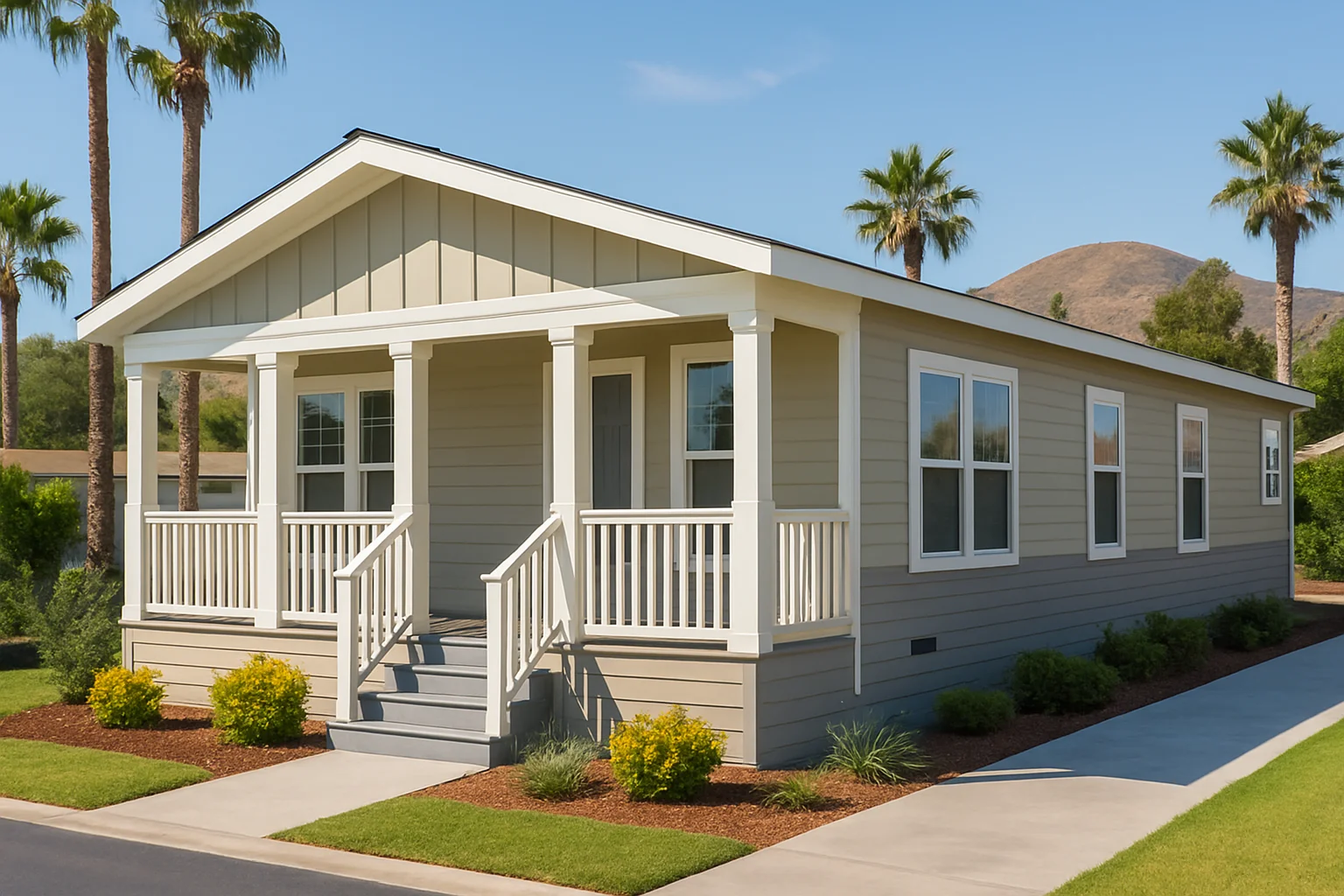
A mobile home, also called a manufactured home, is built in a factory and transported to a site for installation. Once it’s permanently attached to a foundation, it may be considered real property. Otherwise, it’s treated as personal property, similar to a vehicle.
Why California’s Market Is Unique
California’s extreme housing costs make mobile homes an attractive alternative. They provide affordable housing options for buyers and renters priced out of the traditional market. However, high land costs, zoning laws, and park fees can affect investment returns.
See also Are Mobile Homes a Good Investment for Rental Property?
Investment Basics and Cost Factors
Lower Entry Costs
One of the strongest advantages of mobile homes is their affordability. A new manufactured home in California typically costs between $90,000–$150,000, compared to the state’s median home price of over $750,000. This makes them an accessible first investment for smaller investors.
Rental Income Potential
In areas with strong demand for affordable housing, renting mobile homes can yield solid monthly returns. Renters who can’t afford traditional homes often turn to manufactured housing, especially near major cities or job centers.
Appreciation and Resale Value
Historically, mobile homes have appreciated slower than site-built homes — especially when placed on leased land. But in California, manufactured homes on owned land can appreciate at rates similar to conventional homes. The appreciation usually stems from the land value rather than the structure itself.
Land Ownership vs. Lot Lease
Owning the Land
If you own both the mobile home and the land, your investment is treated like traditional real estate. You gain from land appreciation, have better financing options, and retain control over rent or resale.
Leasing a Lot
When the home is on leased land inside a park, you’ll pay monthly lot rent and abide by park rules. Although this setup lowers upfront costs, it limits appreciation and exposes you to rent increases and park-owner decisions.
Financing, Insurance, and Legal Status
Financing Challenges
Mobile homes on leased land are typically financed as personal property (chattel loans) with higher interest rates and shorter terms. Those on owned land can qualify for real-estate mortgages with better terms and lower rates.
Insurance and Maintenance
Insurance for manufactured homes can cost slightly more due to age or structural differences. Maintenance is essential, as older homes can depreciate faster if not well-kept.
Zoning and Regulations
Each California county has specific zoning rules for manufactured homes. Always confirm whether the property meets permanent foundation, setback, and safety code requirements before purchase.
Pros and Cons of Investing in Mobile Homes
Pros
- Low entry cost: Easier to buy into California real estate.
- Strong rental demand: Many families seek affordable alternatives.
- Flexible investment options: Own the land, lease the lot, or buy within a park.
- Potential high cash flow: Low purchase price can yield strong ROI.
Cons
- Depreciation risk: Especially if the home is not on owned land.
- Financing limitations: Fewer mortgage options for personal-property units.
- Lot rent increases: Can reduce profitability over time.
- Limited resale market: Fewer buyers compared to conventional housing.
Evaluating Investment Potential
Location and Demand
Like any real-estate investment, location is everything. Mobile homes near employment hubs, universities, or coastal areas hold higher demand. Rural or poorly managed parks may experience higher vacancy rates.
Cost Analysis
Calculate your full cost:
- Home purchase price
- Lot rent or property tax
- Maintenance and insurance
- Potential vacancy periods
Then compare this with your expected rental income to determine net yield or cap rate.
Exit Strategy
Plan from the start — will you hold for cash flow, flip, or sell later? Homes on owned land generally have stronger exit options, while those on leased lots may have fewer resale opportunities.
Case Example
Imagine you buy a mobile home on its own lot for $120,000 in a mid-sized California city. You rent it for $1,800/month and spend about $3,200 yearly on taxes, insurance, and maintenance.
Your annual net income: $21,600 rent − $3,200 expenses = $18,400
That’s a 15% gross yield, higher than many traditional rentals. If the property appreciates even 4–5% yearly, your long-term return could rival many site-built investments.
Now compare that to buying a mobile home in a park with $700/month lot rent. Your net income drops sharply, proving how vital land ownership is for long-term profitability.
Expert Tips Before You Invest
- Always verify land ownership and classification.
- Inspect thoroughly. Older homes may need roof, foundation, or plumbing updates.
- Understand park rules. Some restrict rentals or remodels.
- Check for hidden costs. Utilities, HOA, and property-tax variations can affect ROI.
- Study local laws. California’s Mobilehome Residency Law protects tenants and outlines park-owner responsibilities.
Future Outlook: 2025 and Beyond
With California’s housing shortage worsening, mobile homes are gaining traction as a viable housing solution. Demand for affordable housing and smaller, energy-efficient units is rising. Many counties are updating zoning laws to accommodate manufactured homes on standard lots, signaling long-term growth potential.
Still, success depends on smart acquisition, location choice, and financial planning.
FAQs
Can mobile homes be appreciated in California?
Yes — especially when placed on owned land. Mobile homes on permanent foundations can appreciate similarly to traditional houses.
Do banks finance mobile homes?
Yes, but only those classified as real property. Homes on leased lots often require chattel loans with higher rates.
How much is a lot of rent in California?
Average lot rent ranges from $500 to $1,000 per month, depending on location and amenities.
Are mobile homes easy to sell?
Homes on owned land sell faster. In parks, resale depends on park approval and market demand.
What’s the best location for investing?
Growing suburbs near cities like Sacramento, Fresno, and Inland Empire often show strong rental demand and reasonable land prices.
Conclusion
So, are mobile homes a good investment in California?
Yes — but only with the right conditions. Owning the land, buying newer models, and choosing high-demand locations can yield excellent returns and appreciation potential. However, homes in rented parks with strict rules or rising fees can limit profitability.
In a state where traditional home prices remain out of reach for many, mobile homes represent one of the most underrated and strategic investment opportunities for 2025. Approach it with research, patience, and a solid financial plan — and it can become a powerful, cash-flow-positive part of your real-estate portfolio.