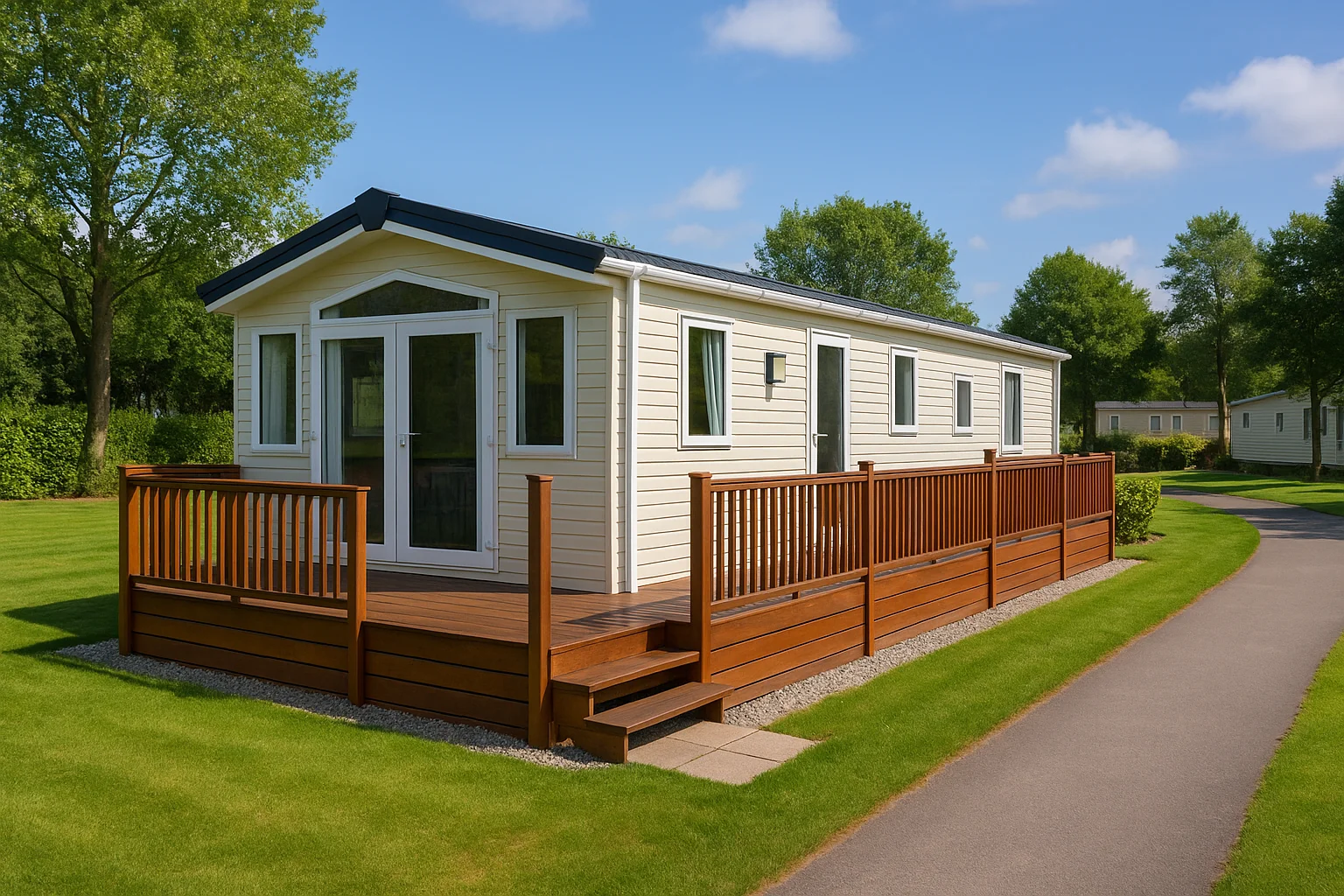
Are Mobile Homes a Good Investment UK? Understanding the Reality in 2025
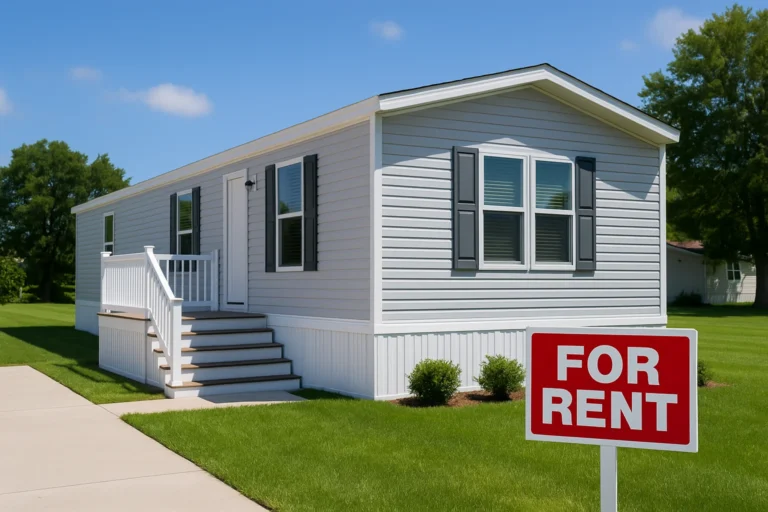
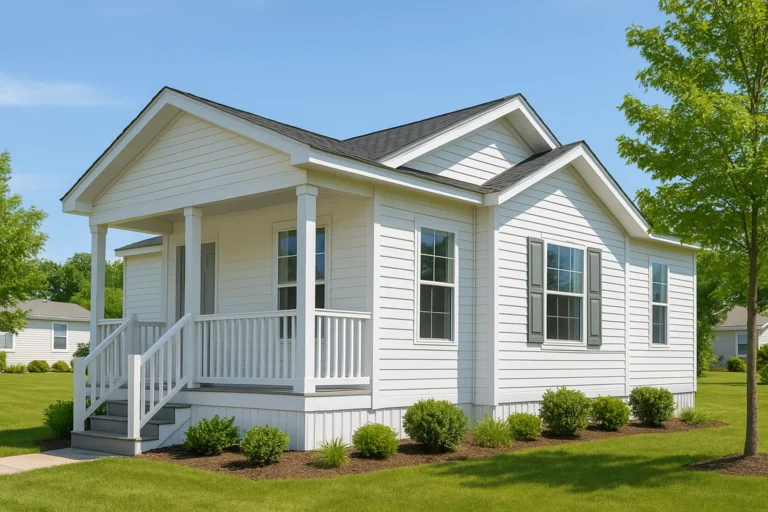
Mobile homes — also known as park homes or static homes in the UK — have become increasingly popular as an affordable housing solution. But the big question remains: are mobile homes a good investment UK?
The answer depends on what type of investment you’re considering. Financial appreciation, lifestyle value, maintenance costs, and long-term plans all play a major role. While mobile homes offer low upfront costs and an appealing lifestyle, they differ from traditional brick-and-mortar houses in how they are owned, valued, and financed.
This guide breaks down everything you need to know — the pros, the cons, appreciation trends, legal considerations, lifestyle benefits, and the real investment potential in 2025.
Financial Viability: Are Mobile Homes Worth the Money?
Mobile homes are often significantly cheaper than traditional houses. With no stamp duty, lower running costs, and energy-efficient designs, they attract retirees, downsizers, and budget-focused buyers.
Lower Running Costs Make Them Attractive
Modern UK mobile homes are built with insulation, double glazing, efficient heating, and energy-saving materials. This results in:
- Lower electricity and heating bills
- Reduced monthly expenses in gated or private estates
- Minimal council tax (often Band A)
For buyers wanting an affordable lifestyle, this can be a huge advantage.
Financing Challenges You Must Know
Mobile homes do not qualify for traditional mortgages because you own the home — but not the land. Instead, specialised lenders offer park home loans with:
- Higher interest rates
- Maximum borrowing around 80% of the home’s value
- Loan terms up to 25 years
While the process is simple, buyers should be aware that depreciation affects loan security.
Do Mobile Homes Appreciate or Depreciate in the UK?
This is one of the biggest factors in determining whether mobile homes are a “good investment.”
The Reality — Most Mobile Homes Depreciate
Unlike brick houses, mobile homes in the UK usually depreciate over time. Reasons include:
- Construction type (classified as personal property, not real estate)
- Lack of land ownership
- Wear and tear
- Market perception
However, well-maintained homes in desirable parks can retain value better than others.
When Mobile Homes Hold Value Better
Value retention improves if:
- The park is in a sought-after location
- The home is modern and energy-efficient
- The community is well-managed
- The home receives regular maintenance or refurbishment
Still, most homes don’t rise in value like traditional residential property.
The Importance of Location in Investment Potential
Location is EVERYTHING when it comes to mobile home value in the UK.
Buyers should:
- Visit parks at different times of the day
- Speak to current residents
- Check repair frequency and satisfaction levels
- Look at local amenities and transport access
Homes in coastal, scenic, or high-demand retirement areas often perform better in resale markets.
Lifestyle Investment: Community, Comfort & Peace of Mind
While financial appreciation may be limited, the lifestyle benefits can be immense — and for many buyers, that alone makes mobile homes a “good investment.”
Why Many People Choose Mobile Home Living
People often invest in mobile homes because:
- They want to live in a peaceful, community-driven environment
- They want to be near friends or family
- They enjoy park amenities such as fitness centres, spas, or restaurants
- They prefer low-maintenance living
- They want to live somewhere they otherwise couldn’t afford
These intangible benefits often outweigh financial considerations for retirees and those seeking a simpler life.
Legal & Licensing Considerations (UK Rules That Affect Investment)
Mobile homes fall under the Mobile Homes Act 2013, which governs:
- Selling
- Pitch fees
- Rights and obligations
- Park management rules
Residential vs Holiday Parks — Not the Same
A residential park home allows full-time living 12 months a year. A holiday park does NOT — meaning you cannot live there permanently.
Buyers must confirm the site licence details from:
- Local council
- Park office
- Noticeboards
- BH&HPA (British Holiday & Home Parks Association)
- NPHS / NAPHR
Living full-time on a holiday site can result in eviction, so due diligence is essential.
Maintenance, Durability & Lifespan of Mobile Homes
Modern park homes can last 50–60 years or more with proper care.
Why maintenance matters:
- Homes in good condition resell better
- Energy-efficient upgrades help lower running costs
- Cosmetic upgrades improve appeal
Maintenance costs are generally lower than for brick homes — another financial plus.
The Buying Process: How Mobile Home Ownership Differs
Buying a mobile home is simpler than purchasing a traditional property.
Key differences:
- You buy the home, not the land
- You pay a pitch fee to the park
- No stamp duty
- Solicitors are optional but highly recommended
- You can buy pre-sited or order a custom home (subject to park rules)
Buyers must review the written agreement carefully — it governs your rights, responsibilities, and the park’s rules.
Resale Value & Market Challenges
Because mobile homes typically depreciate, selling them can be more challenging.
Factors impacting resale:
- Age and condition
- Park reputation
- Geographic location
- Demand in the region
- Quality of the listing and upgrades (e.g., modern fittings)
Well-maintained homes in strong locations can still sell well — even quickly — but returns may not match traditional real estate.
Pros and Cons of Investing in a Mobile Home UK
Pros
- Lower purchase cost
- No stamp duty
- Low maintenance
- Lower monthly bills
- Strong community lifestyle
- Ideal for retirement or downsizing
Cons
- Depreciation
- Limited financing options
- You do not own the land
- Resale can be slow or limited
- Park rules may be restrictive
Are Mobile Homes a Good Investment in the UK? Final Verdict
Mobile homes can be a good investment — but not in the traditional sense.
Financial Investment?
- Not ideal if you want capital growth
- Depreciation is expected
- Resale can be challenging
Lifestyle Investment?
- Excellent for affordable, peaceful living
- Ideal for retirees or downsizers
- Great for those wanting low-stress, low-cost homes
- Strong community and comfort benefits
Who They’re Best For:
- Retirees
- People wanting budget-friendly living
- Buyers who value lifestyle more than financial gains
- Those seeking peaceful, secure, community-based environments
Frequently Asked Questions (FAQs)
Do mobile homes appreciate in value like traditional houses?
No. Mobile homes typically depreciate, but value retention is better in high-demand parks.
Are mobile homes cheaper to run?
Yes — they are energy-efficient and cheaper to maintain, resulting in lower monthly costs.
Can you get a mortgage on a mobile home?
Traditional mortgages are not available. Specialised loans exist but have higher interest rates.
Can you live in a mobile home all year?
Only in a park with a residential site licence. Holiday parks do not allow full-time living.
How long does a mobile home last?
Around 50–60 years with proper maintenance.