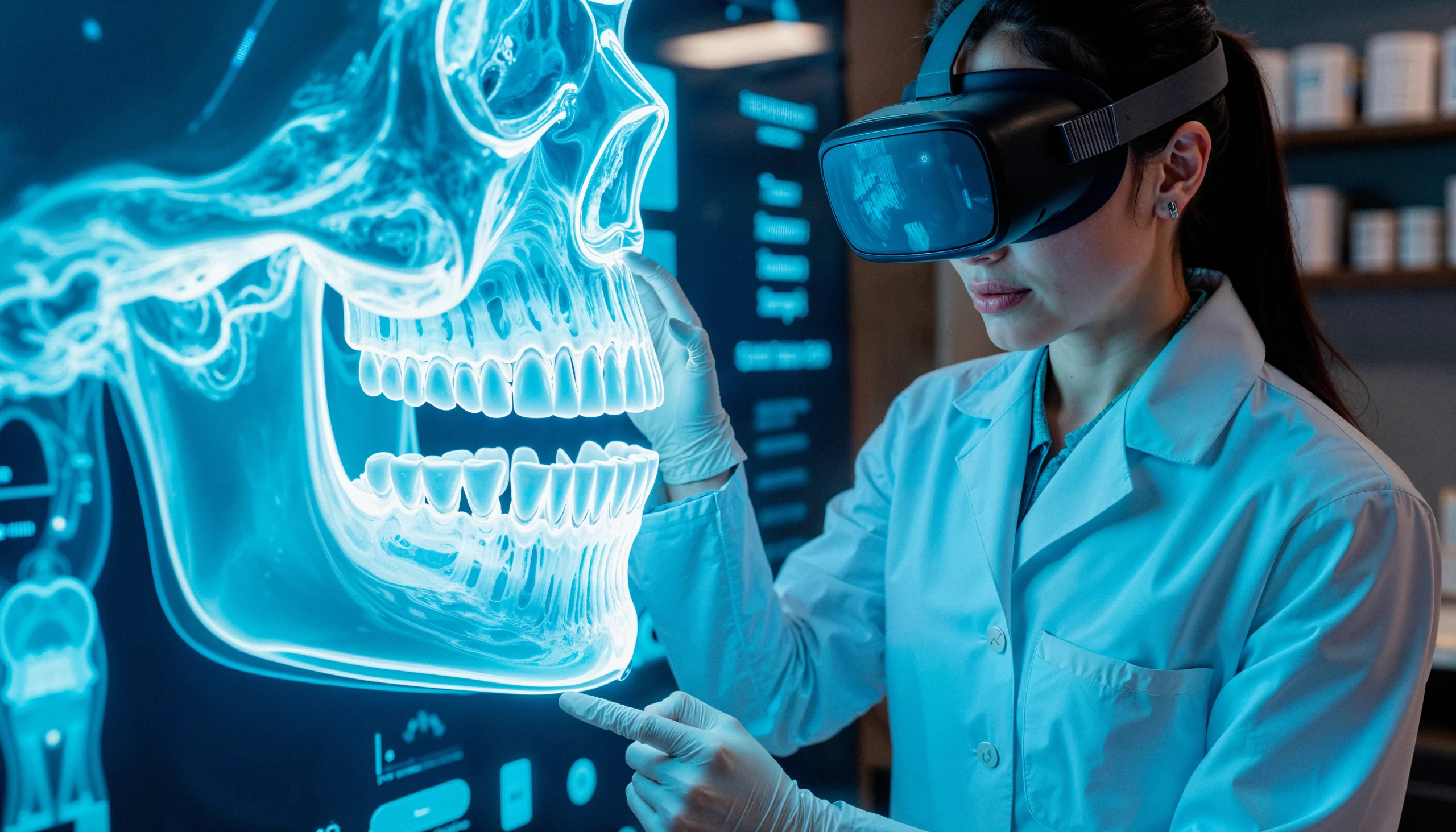
Nerovet AI Dentistry and the Future of Smart Dental Care Systems
Nerovet AI Dentistry is becoming a part of a wider shift in modern healthcare where artificial intelligence is no longer experimental but actively integrated into clinical dental workflows. Dental clinics are now moving toward systems that can assist in diagnosis, imaging interpretation, patient record management, and treatment planning with higher consistency and reduced manual workload.
This transformation is not happening in isolation. It is connected to the global demand for faster diagnosis, improved accuracy, and more efficient patient management systems.
Changing Landscape of Modern Dental Clinics
Dental practices today operate in a highly digital environment. Traditional methods are still present, but they are increasingly supported by intelligent systems that handle data-heavy tasks.
Modern clinics now deal with:
- Digital X-rays instead of film-based imaging
- 3D scans and CBCT imaging systems
- Large volumes of patient data per day
- Faster appointment cycles with limited time per patient
- Higher expectations for accurate and immediate diagnosis
In this environment, systems like Nerovet AI Dentistry are being explored as supportive tools that help manage complexity without replacing human expertise.
Why AI Dentistry Is Becoming Widely Adopted
The rise of AI in dentistry is strongly connected to real operational challenges rather than trends alone. Clinics are adopting AI-assisted systems because they solve practical problems.
Key reasons include:
- Reducing time spent on manual scan interpretation
- Supporting consistent diagnosis across different dentists
- Managing increasing patient load efficiently
- Reducing documentation errors
- Improving workflow organization in busy clinics
Instead of acting as a replacement for dentists, AI functions as a structured assistant that supports decision-making.
See also AI-Powered Hospital Management System: All-In-One Solution for the Smart Healthcare Industry
Role of Nerovet AI Dentistry in Clinical Workflows
Within modern dental systems, Nerovet AI Dentistry is often associated with integrated clinical support functions that connect imaging, records, and treatment planning.
Its role generally aligns with three core areas:
Imaging Support
- Highlighting possible dental issues in scans
- Supporting identification of cavities and bone changes
- Assisting in interpretation of complex radiographic data
Patient Data Organization
- Structuring patient history in consistent formats
- Reducing missing or incomplete records
- Supporting multi-visit case tracking
Treatment Planning Assistance
- Helping analyze possible treatment options
- Supporting case comparisons from past records
- Improving clarity in patient communication
This structure allows dentists to focus more on clinical judgment rather than repetitive analysis tasks.
How Dentists Are Using AI Tools in Real Practice
In real-world dental environments, AI is not used as an automatic decision-maker. It is used as a supportive system that enhances workflow efficiency.
Common usage patterns include:
- Pre-reviewing scans before patient consultation
- Using AI summaries for faster case understanding
- Cross-checking uncertain dental findings
- Supporting junior dentists in learning diagnosis patterns
- Improving patient explanation with visual insights
This makes dental consultations more structured and time-efficient.
Importance of Consistency in Dental Diagnosis
One of the major advantages of AI-assisted dentistry is consistency. Human diagnosis can vary due to experience level, workload, and interpretation differences.
Variations in human analysis may occur due to:
- Fatigue during long working hours
- Differences in professional experience
- Complexity of imaging results
- Subjective interpretation styles
AI-based systems help reduce this variability by applying consistent analysis patterns across all cases.
This does not replace professional judgment but strengthens it with structured input.
Data-Driven Approach in Modern Dentistry
Modern dental systems are becoming increasingly data-driven. AI tools are designed to analyze large sets of dental information and identify patterns that may not be immediately visible.
This includes:
- Comparing current scans with historical cases
- Detecting early signs of dental issues
- Tracking progression of oral conditions over time
- Supporting preventive dental care strategies
Nerovet AI Dentistry represents this shift toward predictive analysis rather than reactive treatment.
Growing Global Adoption Trends
AI adoption in dentistry is increasing across multiple regions due to healthcare modernization and digital transformation.
Key trends include:
- Integration of AI into dental imaging software
- Expansion of digital dental clinics
- Increased investment in healthtech solutions
- Growth of remote consultation systems
- Rising demand for scalable diagnostic tools
These trends show that AI dentistry is becoming part of standard clinical infrastructure rather than a niche technology.
Ethical Use and Professional Responsibility
With growing adoption, ethical and professional considerations are also becoming important.
Responsible usage includes:
- Ensuring AI does not replace dentist decisions
- Protecting patient data and privacy
- Maintaining transparency in diagnosis processes
- Avoiding over-dependence on automated suggestions
- Training staff to interpret AI outputs correctly
Balanced implementation ensures AI remains a support tool, not a controlling system.
Practical Benefits Observed in Clinics
Clinics that integrate AI-assisted dental systems often report noticeable operational improvements.
These include:
- Faster diagnostic workflows
- Better organization of patient records
- Improved communication with patients
- Reduced workload for repetitive tasks
- More consistent analysis across multiple practitioners
These benefits are especially valuable in high-volume dental practices.
Challenges in AI Dental Integration
Despite its advantages, AI dentistry still faces practical challenges that slow down full adoption.
Common issues include:
- Integration with existing dental software systems
- Training requirements for dental staff
- Variability in AI performance across datasets
- Cost barriers for smaller clinics
- Concerns about dependency on automated tools
These challenges mean adoption is gradual rather than immediate.
Future Direction of Dental Artificial Intelligence
The future of dental AI is focused on deeper integration rather than standalone tools. Systems are evolving toward complete clinical support ecosystems.
Future developments may include:
- Real-time diagnostic assistance during consultations
- Predictive oral health risk analysis
- Automated clinical documentation systems
- AI-supported patient education tools
- Unified dental data systems across clinics
This evolution reflects a move toward smarter, preventive, and more connected dental care.
Final Perspective on Nerovet AI Dentistry
Nerovet AI Dentistry represents a broader transformation in how dental care is delivered and managed. It reflects a shift toward systems that support clinical intelligence, improve workflow efficiency, and enhance diagnostic consistency.
The real value of such systems lies not in replacing dental professionals but in strengthening their ability to work with complex data, faster workflows, and higher patient expectations.