Rexas Finance Cryptocurrency Investment – A Complete Guide for 2025
Introduction
Cryptocurrency continues to evolve far beyond Bitcoin and Ethereum. In 2025, the spotlight has shifted toward tokenisation of real-world assets (RWAs) — a space where Rexas Finance (RXS) is positioning itself as a pioneer.
This guide explores how Rexas Finance works, what makes it different, and whether investing in its cryptocurrency could be worthwhile. You’ll learn about its ecosystem, tokenomics, potential returns, and associated risks — all written for long-term investors who want substance over hype.
1. What Is Rexas Finance (RXS)?
1.1 Overview
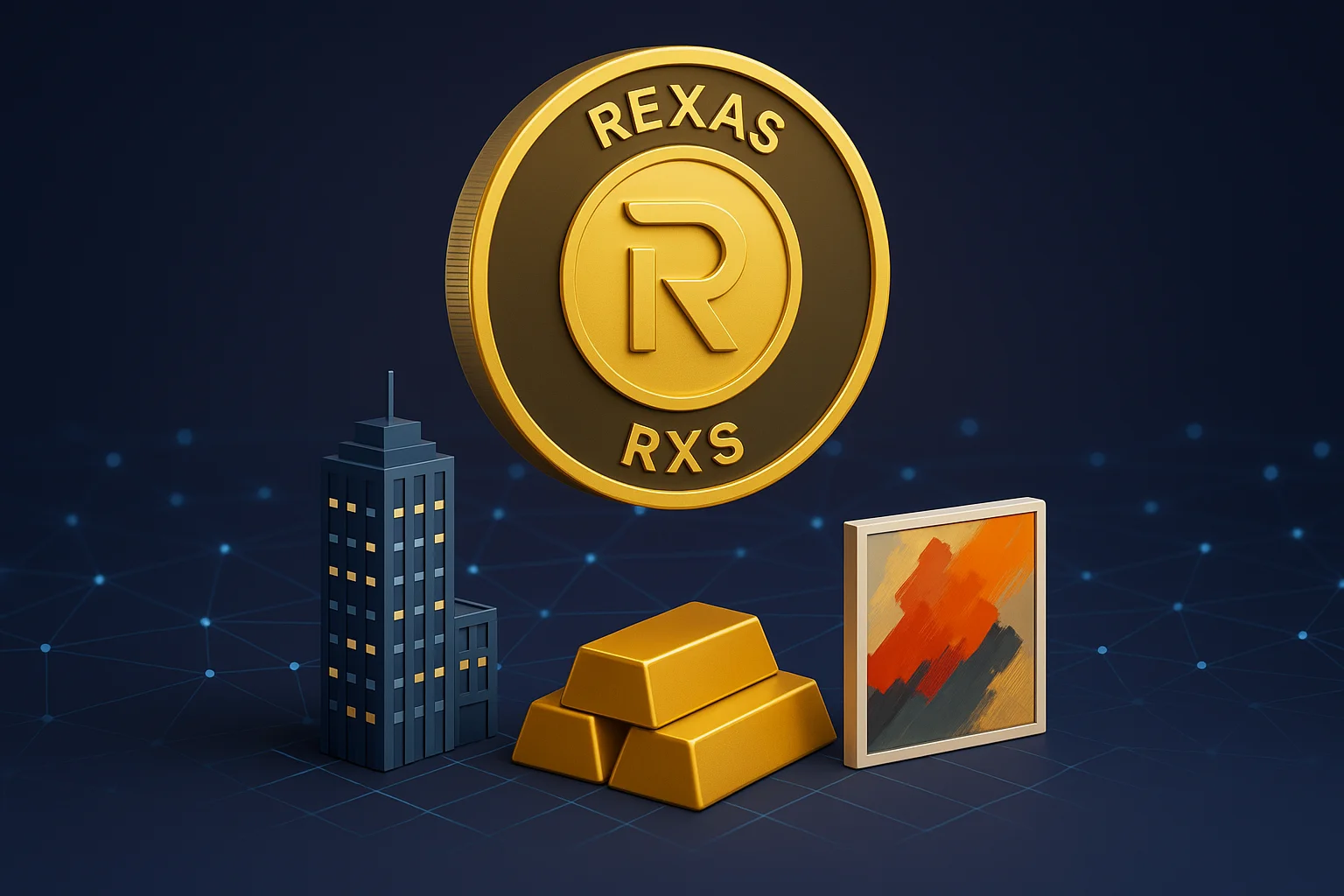
Rexas Finance is a blockchain project focused on bringing real-world assets onto the blockchain. In simple terms, it enables property, art, commodities, or intellectual property to be represented by digital tokens, allowing fractional ownership and easier trading.
See also Investing with RobTheCoins: A Guide to AI-Powered Cryptocurrency Trading
The platform combines multiple components:
- Token Builder – a no-code tool for creating and launching tokens.
- Launchpad – to raise funds for new blockchain projects.
- Treasury & Yield Optimizer – for staking and yield farming.
- AI-powered tools – for creating NFTs, verifying smart-contract security, and enhancing ecosystem analytics.
1.2 Mission and Vision
Rexas Finance aims to democratize investment opportunities by breaking traditional barriers. Through tokenisation, investors worldwide can access fractional shares of assets that were previously out of reach — such as commercial real estate or fine art — while owners gain new liquidity options.
1.3 Key Facts
- Token Symbol: RXS
- Blockchain: Ethereum (ERC-20 standard)
- Total Supply: 1 billion RXS
- Launch Date: June 2025
- Core Use: Utility and governance token within the Rexas ecosystem
2. Why Real-World Asset Tokenisation Matters
2.1 The Problem with Traditional Assets
Investing in real-world assets has always been limited by:
- Illiquidity: Real estate or art cannot be easily traded.
- High entry costs: Large capital requirements exclude smaller investors.
- Complex processes: Multiple intermediaries slow down ownership transfers.
- Lack of transparency: Valuations and ownership records can be opaque.
2.2 How Tokenisation Solves These Issues
Tokenising an asset means dividing it into small digital units — each representing fractional ownership. On a blockchain ledger, these tokens can be traded globally, enabling:
- Fractional ownership and broader access
- Enhanced liquidity through secondary markets
- Transparent records of ownership and value
- Reduced reliance on intermediaries and paperwork
2.3 The 2025 Opportunity
Experts predict that tokenised real-world assets could represent trillions of dollars by 2030. Early movers like Rexas Finance are attempting to capture this market by creating user-friendly infrastructure for token creation, trading, and yield generation.
3. How Rexas Finance Works
3.1 Ecosystem Structure
Rexas Finance’s ecosystem is built around several core tools:
- Token Builder – Allows anyone to create and issue tokens tied to real-world assets without coding.
- Launchpad – Helps projects raise funds and gain exposure through the Rexas community.
- Treasury & Yield Optimizer – Provides multi-chain yield farming and staking rewards for RXS holders.
- AI Integration – Generative AI and AI Shield systems handle NFT creation, contract audits, and fraud detection.
3.2 Tokenomics Summary
| Parameter | Details |
| Total Supply | 1 000 000 000 RXS |
| Presale Allocation | 50 % |
| Staking Pool | 20 % |
| Liquidity | 10 % |
| Treasury | 10 % |
| Team & Marketing | 10 % |
Utility of RXS Token:
- Paying transaction fees and service charges
- Accessing premium features on the platform
- Participating in governance votes
- Staking for rewards and yield generation
3.3 Ecosystem Example
Imagine a developer tokenises a commercial property into 100 000 digital units through Rexas. Investors from any country can purchase fractions using RXS, while the owner earns liquidity and ongoing yield. The process is automated by smart contracts ensuring secure ownership transfer and record transparency.
4. Investment Potential and Risks
4.1 Growth Drivers
- Market trend: Tokenisation of RWAs is a rapidly growing sector.
- First-mover advantage: Rexas Finance launched early in the trend.
- Presale success: Raised tens of millions of USD during funding rounds.
- Cross-chain compatibility: Bridges multiple blockchains for broader adoption.
- Comprehensive ecosystem: Combines DeFi, AI, and token launch features under one umbrella.
4.2 Risks to Consider
- Execution Risk – Ambitious projects often struggle to deliver on their roadmap.
- Regulatory Challenges – Tokenising real-world assets raises legal questions around securities and ownership rights.
- Market Volatility – Crypto tokens can experience drastic price fluctuations.
- Competition – Many other projects are entering the same RWA segment.
- Liquidity and Distribution – Large presale allocations may lead to early sell-offs.
4.3 Current Market Status (2025)
RXS is trading under US $0.01 according to several market trackers, far below its initial listing price of around $0.25. Data on circulating supply varies across exchanges. Despite the dip, community interest remains high due to its long-term RWA focus.
5. Price Forecast Scenarios (2025 – 2030)
Note: Forecasts are speculative and for information only. This is not financial advice.
5.1 Bullish Case
If Rexas Finance delivers on its roadmap, expands partnerships and demonstrates real-world tokenisation utility, some analysts expect RXS to revisit the US $0.20 – $1 range within a few years. Long-term optimistic projections reach double-digit prices by 2030.
5.2 Neutral Case
Moderate growth could see RXS gradually appreciate from $0.01 to $0.05 by 2026 and $0.10 by 2030 if ecosystem adoption grows steadily.
5.3 Bearish Case
If the platform fails to gain traction or regulatory issues intensify, RXS may remain below one cent for an extended period. Investor confidence could erode without strong updates or use-cases.
5.4 Key Metrics to Watch
- Exchange listings and daily volume
- Real-world tokenisation success stories
- Partnerships with regulated asset firms
- Security audits and transparency reports
- Community engagement and developer activity
6. How to Invest in Rexas Finance
6.1 Before You Buy
- Confirm the official contract address from verified project channels.
- Review the whitepaper and roadmap.
- Understand how tokenisation and staking function within the ecosystem.
- Treat it as a high-risk, speculative asset.
6.2 Buying Steps
- Set up a crypto wallet that supports ERC-20 tokens (such as MetaMask).
- Fund the wallet with ETH or USDT.
- Visit a reputable exchange that lists RXS and place an order.
- After purchase, transfer tokens to your wallet for security.
- Optionally, stake RXS on the official platform to earn yield.
6.3 After Investing
- Regularly check project announcements for updates.
- Diversify your portfolio to limit risk.
- Use two-factor authentication and cold storage for added security.
- Monitor market news and regulatory developments related to RWA projects.
7. Rexas Finance vs Competitors
| Feature | Rexas Finance | Typical RWA Platform |
| Asset Coverage | Real estate, art, commodities, IP | Mostly real estate only |
| AI Integration | Yes – NFT creation & security audits | Rare |
| Launchpad Feature | Included | Often absent |
| Multi-Chain Support | Yes | Limited |
| Governance Token | RXS | Varies |
Rexas Finance’s strength lies in its multi-functional ecosystem and broad asset coverage. However, success depends on user adoption, partnerships, and regulatory compliance.
8. FAQs
Q1. Is Rexas Finance a good investment in 2025?
It has strong conceptual potential but also high risk. If the team executes and the tokenisation trend continues, returns could be significant. Treat it as a speculative long-term play.
Q2. How does Rexas Finance stand out from other cryptos?
Unlike meme or pure DeFi coins, RXS focuses on bringing tangible assets to blockchain. Its ecosystem includes AI tools, staking, and a launchpad — making it more utility-driven.
Q3. What are the main risks?
Execution failures, regulatory barriers, price volatility, and potential over-allocation to early investors are the biggest risks.
Q4. When could mass adoption arrive?
Real utility might take time — possibly between 2026 and 2030 — as the market for tokenised assets matures.
Q5. How to track Rexas Finance developments?
Follow official community updates, market trackers, and reputable crypto news outlets for roadmap progress, partnerships, and exchange expansions.
Conclusion
Rexas Finance represents a bold attempt to bridge traditional finance and the crypto world through asset tokenisation. Its vision to open access to real estate, commodities, and intellectual property for global investors is compelling and aligned with emerging 2025 trends.
Yet potential does not equal guarantee. The project’s success hinges on execution, legal clarity, and user trust. Early price volatility shows the market remains uncertain, so risk management is essential.
For investors who believe in the future of real-world asset tokenisation, Rexas Finance is worth watching closely — but approach it with realistic expectations and diversification in mind.
In the broader context of 2025’s crypto landscape, Rexas Finance illustrates how blockchain is evolving from speculation toward practical financial utility — an evolution that could reshape how we own, trade and invest in the future.
Disclaimer
This article is for informational purposes only and does not constitute financial or investment advice. Cryptocurrency markets are volatile and involve significant risk. Always perform your own research and consult a qualified advisor before investing.