The Ultimate Guide to Jelly Recipes: Exploring Flavorful Creations
Jelly recipes have long captivated the culinary world with their versatility and delightful flavors. Whether you’re a home cook, a seasoned baker, or simply someone looking to explore new dessert options, jelly offers a range of possibilities. At www.recipesjelly.com, we explore the rich tapestry of jelly-based creations, from classic fruit jellies to innovative vegan and sugar-free alternatives. This guide aims to inspire and inform, enhancing your jelly-making journey with expert tips and creative ideas.
See also Toastul: Creative Brunch Ideas for Home Chefs
Introduction to Jelly-Making
Jelly-making is an age-old culinary tradition that transforms simple ingredients into a symphony of taste and texture. With the right techniques, jelly can be both a sweet and savory addition to your culinary repertoire. The process typically involves boiling fruit juices or purees with gelling agents like pectin or gelatin, resulting in a deliciously wobbly treat that can complement various dishes.
Why Jelly Recipes?
- Versatility: Jelly can be used in desserts, as a topping, or even in savory dishes.
- Dietary Adaptability: From vegan to sugar-free options, there’s a jelly recipe for every dietary preference.
- Cultural Richness: Jelly recipes vary globally, reflecting diverse culinary traditions.
Getting Started with Jelly Recipes
Embarking on your jelly-making journey requires an understanding of the essential ingredients and tools needed for success.
Essential Ingredients and Tools
- Fruits: Choose fresh, seasonal fruits for the best flavor.
- Gelling Agents: Pectin for fruit-based jellies and gelatin for traditional recipes.
- Sugar: Adjust based on dietary needs, with options for sugar-free alternatives.
- Acid: Citric acid or lemon juice to aid in setting the jelly.
- Cooking Thermometer: Ensures accuracy in reaching the gelling point.
- Preserving Jars: Sterilized jars to preserve the jelly’s freshness and extend shelf life.
Understanding Gelling Agents
Gelling agents are crucial for achieving the desired consistency in your jelly. Here’s a quick comparison to help you choose:
| Gelling Agent | Best For | Characteristics |
| Pectin | Fruit Jellies | Derived from fruits, vegan-friendly |
| Gelatin | Traditional Jellies | Animal-derived, offers a clear texture |
| Agar-Agar | Vegan Jellies | Plant-based, strong setting properties |
Types of Jelly Recipes
Jelly recipes span a wide spectrum, catering to various tastes and dietary preferences. Let’s explore some popular categories:
Classic Fruit Jellies
Fruit jellies are a timeless favorite, offering a burst of natural sweetness. Some popular options include:
- Strawberry Jelly: A classic choice with a vibrant color and sweet taste.
- Apple Jelly: Subtle and smooth, perfect as a toast spread.
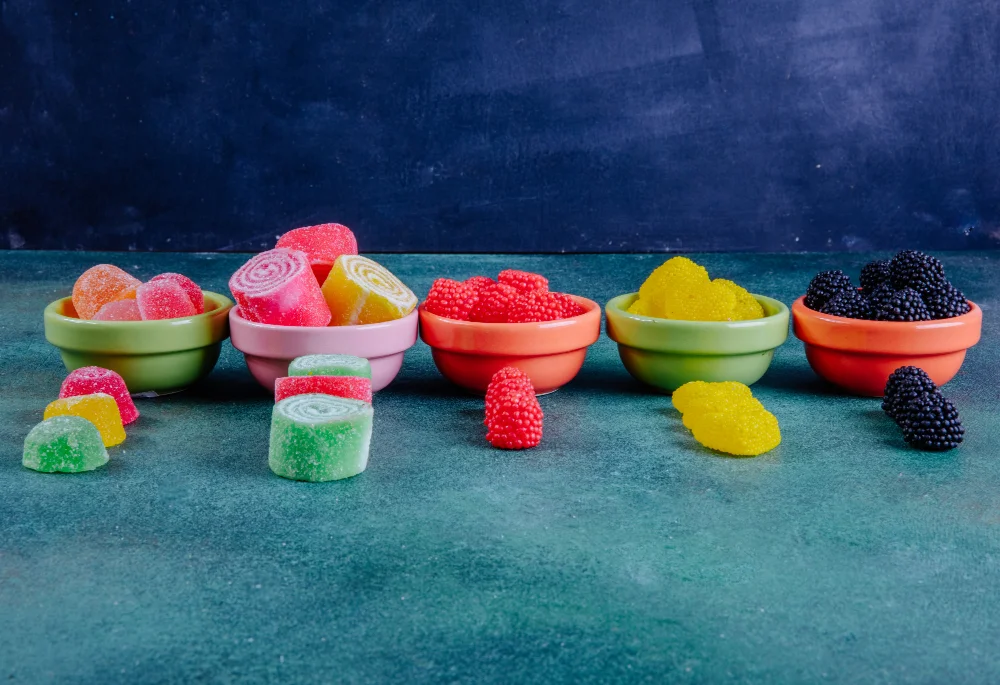
- Mixed Berry Jelly: Combines the flavors of raspberries, blueberries, and blackberries.
Savory Jelly Options
Jelly isn’t just for desserts. Savory jellies can elevate a dish with their unique flavors:
- Red Wine Jelly: Pairs beautifully with meats and cheeses.
- Herb-Infused Jelly: Rosemary or thyme-infused jellies add a gourmet touch to roasts.
Vegan and Sugar-Free Recipes
With the rise of health-conscious eating, vegan and sugar-free jelly recipes are more popular than ever.
- Vegan Raspberry Jelly: Made with agar-agar and fresh raspberries.
- Sugar-Free Peach Jelly: Utilizes natural sweeteners like stevia or monk fruit.
Step-by-Step Guide to Making Jelly
Creating the perfect jelly requires attention to detail and a few essential steps.
Preparing Your Ingredients
- Select Your Fruit: Ensure they are ripe and washed thoroughly.
- Extract the Juice: For clear jellies, strain the juice to remove pulp and seeds.
- Measure Accurately: Use precise measurements for consistency.
Cooking and Setting the Jelly
- Combine Ingredients: Mix fruit juice, sugar, and pectin or gelatin.
- Boil and Stir: Heat the mixture while stirring to prevent sticking.
- Test the Gelling Point: Use a thermometer or the spoon test to ensure proper setting.
- Pour into Jars: Carefully transfer the hot jelly into sterilized jars.
- Seal and Cool: Allow the jars to cool at room temperature before storing.
Creative Uses for Jelly
Jelly’s versatility extends beyond traditional uses. Here are some creative ideas:
Pairing with Savory Dishes
- Glazes for Meats: Use jelly as a glaze for chicken or pork.
- Cheese Pairings: Serve with a cheese platter for a sweet contrast.
Crafting Desserts and Treats
- Jelly-Filled Pastries: Incorporate jelly into croissants or Danish pastries.
- Layered Jelly Desserts: Create visually stunning layered desserts with different jelly flavors.
Troubleshooting and FAQs
Even experienced jelly-makers encounter challenges. Here are some common issues and their solutions:
Why isn’t my jelly setting?
- Ensure the gelling point was reached during cooking.
- Check the pectin or gelatin expiration date.
Can I make jelly without sugar?
Yes, use sugar-free alternatives like stevia.
How long does homemade jelly last?
Properly sealed and stored, jelly can last up to a year.
What’s the difference between jelly and jam?
Jelly is made from fruit juice, while jam includes fruit pulp.
How can I make jelly desserts without gelatin?
Use agar-agar as a vegan-friendly alternative.
Conclusion
Jelly recipes offer a world of culinary possibilities, from classic fruit jellies to innovative vegan options. By understanding the essential ingredients and techniques, you can create delicious and versatile jelly-based dishes. Whether you’re crafting a sweet dessert or exploring savory applications, jelly provides endless opportunities for creativity. For more inspiration and expert tips, visit www.recipesjelly.com and embark on your jelly-making adventure today!
Remember, the key to successful jelly-making lies in experimentation and a willingness to explore new flavors and techniques.