Juntos Seguros Immigration Map: A Community-Driven Safety Resource Explained
In times of uncertainty, access to timely and reliable information makes a real difference. The Juntos Seguros Immigration Map emerges as a community-powered digital tool designed to help immigrant families stay informed, prepared, and connected. Rather than relying on rumors or delayed updates, the platform focuses on shared awareness and collective safety.
This guide explains what the Juntos Seguros Immigration Map is, how it works, why it matters, and what lessons it continues to offer for community safety tools today.
What Is the Juntos Seguros Immigration Map?
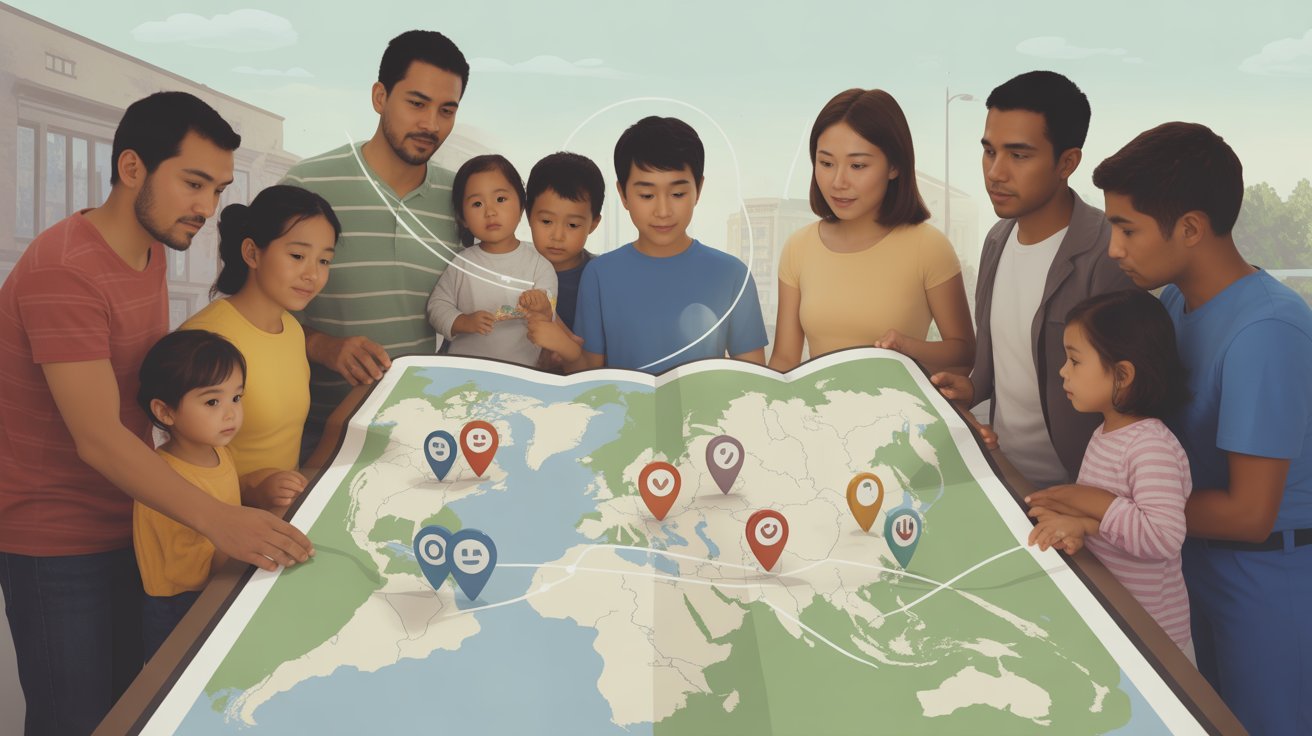
The Juntos Seguros Immigration Map is an interactive, crowdsourced map created to help communities visualize reports of immigration enforcement activity. Its core idea is simple: when people share what they see, everyone becomes better informed.
The platform allows users to view and submit reports anonymously, helping protect privacy while promoting awareness. It is especially valuable for immigrant communities who often face stress and uncertainty around enforcement activity that can affect work, school, and family routines.
Rather than replacing legal advice or official sources, the map aims to supplement awareness through shared, real-time community input.
The Mission Behind Juntos Seguros
At its foundation, Juntos Seguros is built on three guiding principles:
1. Shared Information
Access to timely information empowers people to make safer, calmer decisions in their daily lives.
2. Community Trust
The platform emphasizes anonymous participation to reduce fear and encourage honest reporting.
3. Mutual Support
Every report is a way of looking out for others, reinforcing the idea that safety is stronger when it is shared.
The name itself—Juntos Seguros, meaning “together we are safer”—captures the spirit of the project.
How the Immigration Map Works
The platform functions as a central hub where users can:
- View an interactive map with community-submitted reports
- See general locations, timestamps, and brief descriptions
- Submit sightings without creating an account
- Access educational resources about rights and preparedness
Reports typically include non-identifying details, such as location areas and general observations. The system is intentionally designed to avoid collecting personal data.
This approach helps lower barriers to participation while prioritizing user safety.
Why the Juntos Seguros Immigration Map Matters
Real-Time Awareness for Daily Decisions
For many families, knowing when and where activity is reported helps them plan routes, adjust schedules, or simply remain more alert. Even small pieces of information reduce uncertainty and stress.
Financial and Employment Stability
Unexpected encounters can lead to missed work or job disruption. Early awareness helps some users avoid situations that could impact income or employment, offering indirect financial protection.
Strengthening Community Solidarity
Beyond functionality, the map fosters a sense of connection. Each report represents someone taking time to help others. Over time, this creates a shared culture of responsibility and care.
Trust, Accuracy, and Responsible Use
Like all crowdsourced tools, the map has limitations. Community-submitted data can never be perfect, which is why responsible use is always essential.
Key considerations include:
- Treating reports as signals, not confirmations
- Cross-checking with trusted local organizations when possible
- Avoiding assumptions based on a single report
- Never sharing personal or identifying information
By encouraging thoughtful use, the platform balances usefulness with caution.
Privacy and Security Considerations
Privacy protection is a central concern from the start. Anonymous reporting reduces personal risk, but users are consistently encouraged to stay mindful of what details they share.
As with many grassroots technology projects, maintaining secure infrastructure requires ongoing resources and vigilance. These challenges highlight how difficult—but important—it is to protect digital community spaces.
Platform Challenges and Closure
Over time, the platform faces increasing operational, legal, and financial pressures. Maintaining security, moderation, and infrastructure without large institutional backing proves difficult.
The original platform ceases operations in early 2025. While this is disappointing for many users, the closure also sparks important conversations about sustainability, decentralization, and long-term protection for community-run tools.
The Ongoing Impact and Future Direction
Although the original platform is no longer active, its influence continues. The Juntos Seguros model demonstrates that:
- Community-led technology can provide meaningful safety support
- Bilingual and accessible design reduces information gaps
- Digital tools can strengthen real-world solidarity
New initiatives have since adopted similar ideas, often with improvements in verification, moderation, and resilience.
Best Practices for Using Similar Community Maps Today
If you use or encounter similar tools, consider these responsible practices:
- Use maps as supplemental awareness, not sole guidance
- Verify information through trusted community organizations
- Protect your privacy when contributing
- Save important legal resources offline
- Support ethical, transparent platforms when possible
These steps help keep community tools helpful and safe for everyone.
Final Thoughts
The Juntos Seguros Immigration Map is more than a digital project—it is a reflection of collective care. It shows how shared information, when handled responsibly, can reduce fear and strengthen communities.
While the original platform may no longer operate, its core message remains relevant: safety grows stronger when people look out for one another. The lessons learned continue to shape how community-powered safety tools are designed today.
Frequently Asked Questions
What was the Juntos Seguros Immigration Map used for?
It helps communities share and view reports of immigration enforcement activity to stay informed.
Was the platform available in English and Spanish?
Yes, it is designed to be bilingual for broader accessibility.
Did users need to create an account?
No, reports and map access are available without registration.
Are community reports always accurate?
Reports are user-submitted and should be treated as informational, not definitive.
Is the original platform still active?
The original platform shut down in early 2025, but its approach continues to influence similar tools.